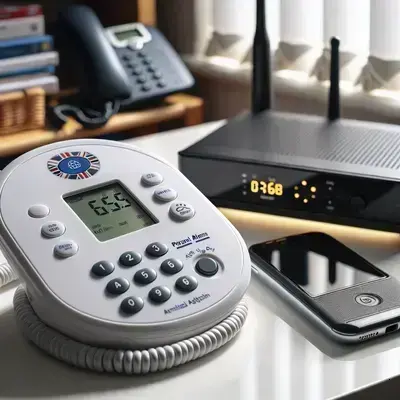
Have you heard about the UK’s digital switchover and wondered how it might affect elderly relatives? UK digital switchover personal alarms elderly are at the heart of this shift, as old phone lines that support these devices are being switched off. This change might sound technical, but it concerns real safety several vulnerable people rely on daily.
The phased landline shutdown means many traditional personal alarms won’t work as before, potentially putting elderly users at risk during emergencies. Imagine needing help but finding your alarm silent because it depends on outdated technology.
Don’t worry — understanding these changes is the first step for families and carers to act quickly and ensure safety devices keep working. Here’s why this matters and what you can do to stay ahead of the digital switchover.
what is the digital switchover and why is it happening
The UK digital switchover is a nationwide process where traditional analogue telephone lines are being replaced by modern digital phone services. This transition is necessary because the old copper networks are ageing and costly to maintain. Digital phone lines use internet protocol technology, offering improved reliability and new features.
This change affects millions of households, especially those who rely on analogue devices such as personal alarms for the elderly. The main goal of the switchover is to ensure that the country has a robust, future-proof communication system compatible with today’s technology.
Several key reasons drive the digital switchover:
- Analogue lines are becoming obsolete and less reliable.
- Digital systems allow for faster internet and enhanced emergency services.
- Maintaining ageing copper networks increases costs for providers, which are passed on to consumers.
- Digital infrastructure supports new technologies like fibre-optic broadband.
The government and telecom providers have coordinated plans to switch off analogue lines gradually, with clear deadlines and support for vulnerable users. Understanding the switchover helps individuals and families prepare for the changes and ensures that critical devices continue to work seamlessly.
which personal alarms depend on analogue phone lines
Many personal alarms designed to support elderly and vulnerable individuals rely on traditional analogue phone lines to function. These devices often connect directly to the analogue telephone network to send emergency signals when activated.
Common types of personal alarms dependent on analogue lines include:
- Careline Alarms UK: Typically offered by local councils or telecare service providers, these systems use the landline to contact a monitoring centre during emergencies.
- Push-button pendant alarms: Worn around the neck or wrist, these activate calls via the analogue phone to alert carers or emergency services.
- Fall detectors linked to landlines: Automatically trigger an alert if a fall is detected, sending a signal over the analogue line.
These alarms depend heavily on the stability and availability of the analogue network. With the UK digital switchover, the phased switch-off of analogue lines means these devices will no longer function once the landline is disconnected.
Users must be aware that personal alarms without digital or mobile connectivity will be affected. It is critical to identify whether an alarm system uses an analogue connection by consulting product manuals or speaking with service providers.
Alternatives to analogue-dependent alarms include systems that work through digital phone lines, mobile networks, or broadband. Some next-generation personal alarms connect via SIM cards, providing greater flexibility and reliability even after analogue lines are discontinued.
Being proactive about this transition ensures safety is maintained. Contacting telecare providers or local councils can help organise upgrades or replacements compatible with the digital network.
risks for elderly relying on old alarm systems
Elderly individuals relying on old alarm systems face significant risks due to the UK digital switchover. Many traditional personal alarms depend on analogue phone lines that will soon be switched off. When these lines are disconnected, alarms may fail to send emergency signals, leaving users vulnerable during critical situations.
Common risks include:
- Failure to alert carers or emergency services in case of falls or medical emergencies.
- Loss of communication during power outages if the alarm depends solely on landline power.
- Delayed response times as alternative communication methods may not be in place.
For example, an elderly person living alone who uses a pendant alarm connected to an analogue line may experience a dangerous situation if their device stops working without warning.
Technical limitations of old alarm systems: These devices often lack backup options such as mobile network connectivity or battery power, making them unreliable in emergencies once the digital switchover occurs.
Families and carers should be aware that continuing to rely on outdated alarms without upgrades or replacements could result in serious safety hazards. It is crucial to assess current alarm systems and explore new options compatible with digital phone lines or mobile networks.
Regularly testing alarms and checking with service providers about compatibility will help reduce risks and maintain peace of mind for elderly users.
how families and carers can prepare for the landline shutdown
Families and carers play a crucial role in ensuring the safety of elderly individuals during the UK digital switchover and the landline shutdown. Preparation is key to avoiding disruptions in personal alarm systems and telecare services that many rely on.
Steps to prepare for the landline shutdown:
- Identify all existing personal alarm systems or telecare devices that are connected to analogue phone lines.
- Contact the service provider or local council telecare services UK to confirm if the current equipment is affected by the analogue switch-off.
- Discuss available upgrade options, such as digital-compatible alarms or mobile-SIM-based devices that continue to function after the switchover.
- Arrange installation or replacement of new compatible devices well before the analogue line is disabled.
- Test the new alarm systems thoroughly to ensure they work as expected, including emergency call functions.
- Educate the elderly user and carers about any changes in device operation and show how to use backup options if available.
- Keep a list of emergency contacts handy, including telecare providers and technical support.
Additional tips for carers: Keep track of switchover timelines published by telecom providers and government bodies. Stay informed about support schemes or grants available to help with equipment upgrade costs.
Preparing early and staying proactive can minimise risks and maintain peace of mind for everyone involved. The transition to digital alarms and telecare services represents an opportunity to enhance safety with modern technology.
FAQ – How the UK Digital Switchover Affects Personal Alarms for the Elderly
What is the UK digital switchover and how does it affect personal alarms?
The UK digital switchover is the process of replacing analogue phone lines with digital systems. Personal alarms relying on analogue lines may stop working during this change.
Which personal alarms depend on analogue phone lines?
Many traditional personal alarms, such as Careline alarms, pendant alarms, and fall detectors, use analogue phone lines to send emergency signals.
What risks do elderly people face if they continue using old alarm systems?
Old alarm systems may fail to alert carers or emergency services once analogue lines are switched off, leaving elderly users vulnerable in emergencies.
How can families prepare for the landline shutdown?
Families should identify alarm devices using analogue lines, contact service providers, arrange upgrades to digital-compatible alarms, and test new systems before the shutdown.
Are there alternatives to analogue-dependent personal alarms?
Yes, alternatives include alarms using digital phone lines, mobile networks, or broadband, often with SIM card technology for reliable emergency communication.
Who can assist with upgrading to compatible personal alarms?
Local councils, telecare service providers, and private companies can assist with upgrading or replacing alarms to digital or mobile-compatible systems.